
Groundbreaking research has identified a remarkable natural process that occurs during and after pregnancy, suggesting a novel approach for cardiac regenerative medicine.
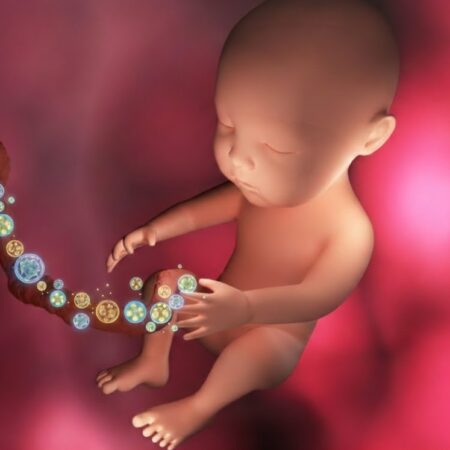
Scientists found that foetal stem cells from the placenta may migrate to the injured mother’s heart and assist in its recovery. This finding suggests that nature has perfected a form of cellular therapy, paving the way for new treatments for heart disease.
The Phenomenon of Foetal-Maternal Transfer
The research, led by Dr. Hina Chaudhry and her team at Mount Sinai School of Medicine and published in the journal Circulation Research, was inspired by a unique clinical observation. Clinicians had noted that many women diagnosed with peripartum cardiomyopathy—a rare form of heart failure that occurs during late pregnancy or following childbirth—show a surprisingly high rate of spontaneous recovery.
The Mount Sinai team hypothesised that this recovery might be due to the natural transfer of cells between the foetus and the mother, a phenomenon known as microchimerism. To test this, researchers used advanced tracking techniques in experimental models of pregnant mice that had sustained cardiac injury.
The results rendered clear evidence that foetal stem cells, originating from the placenta, do indeed traffic into the maternal circulation and attach specifically to the site of heart damage. Crucially, they typically migrate only to the injured regions of the heart, avoiding other undamaged organs.
Foetal Stem Cells Become Beating Heart Muscle
Once these cells reached the injury site, they actively engraft onto the damaged tissue and differentiate into new, functional cardiac cells.
Thus, these powerful foetal cells transform into diverse and vital heart tissue lineages, including:
- Cardiomyocytes or the beating muscle cells of the heart.
- Smooth Muscle Cells that repair blood vessel walls.
- Blood Vessel Cells, for reforming damaged vasculature.
The team also successfully replicated this regeneration in vitro, showing that the isolated foetal cells could spontaneously turn into beating heart cells in the lab.
A Therapeutic Agent with Low Rejection Risk
This discovery marks a significant step forward because it identifies a highly viable source of regenerative cells that bypasses many of the existing challenges in stem cell biology.
Unlike the complex ethical concerns surrounding embryonic stem cells, foetal stem cells harvested from the placenta are derived from tissue that is routinely discarded after birth. This makes them an ethically attractive and abundant source.
Furthermore, foetal stem cells possess a key advantage in terms of safety. A significant portion of the foetal cells found in the maternal hearts expressed the protein Cdx2. This characteristic suggests that the cells may not have developed the mature immune recognition molecules that typically trigger a negative immune response, such as the rejection seen in organ transplants.
This implies that they could potentially be used to repair tissue without the need for high doses of powerful immunosuppressant drugs.
The discovery that foetal-maternal stem cell transfer is a body’s natural response to cardiac injury opens up a promising new area of research—focused on harnessing these resilient, placenta-derived cells to treat a broader spectrum of cardiovascular diseases.
Keywords: Foetal stem cells, Cardiac regenerative medicine, Placenta, Heart repair, Microchimerism, Peripartum cardiomyopathy, Stem cell therapy, Cdx2, Maternal heart recovery, Cardiomyocytes
Suggested Reads:
Mount Sinai Health System. Fetal cells from the placenta may help the maternal heart recover from injury. Mount Sinai Health System [Internet]. 2011 Nov 14; Available from: https://www.mountsinai.org/about/newsroom/2011/fetal-cells-from-placenta-may-help-maternal-heart-recover-from-injury
Kara RJ, Bolli P, Karakikes I, Matsunaga I, Tripodi J, Tanweer O, et al. Fetal cells traffic to injured maternal myocardium and undergo cardiac differentiation. Circulation Research [Internet]. 2011 Nov 15;110(1):82–93. Available from: https://www.ahajournals.org/doi/10.1161/CIRCRESAHA.111.249037